
Yellow Belt programme
Manufacturing Engineering with Management, School of Mechanical Engineering, USM
Lean Six Sigma Initiative
The Lean Six Sigma initiative reflects the School of Mechanical Engineering’s commitment to developing students’ competencies in continuous improvement, quality management and systematic problem solving.
- Continuous improvementMethods for improving processes step by step
- Quality managementQuality practice grounded in customer needs
- Systematic problem solvingStructured, data-informed improvement projects
Programme overview
Through the Lean Six Sigma Yellow Belt programme, students are introduced to both the fundamental and applied aspects of process improvement and quality practice.
The programme also exposes students to important analytical and operational concepts, strengthening their understanding of improvement-driven engineering practice.
Lean foundations
- Lean enterprise principles
- Organizational alignment
- Strategy deployment
- Core business processes
- Process mapping
Continuous improvement methods
- PDCA
- SIPOC
Analytical and operational concepts
- Voice of the Customer
- Cost of Poor Quality
- House of Quality
- Project scoping
- Project prioritization
Learning approach and student development
Structured and applied learning
The initiative strengthens technical understanding and professional capability through a combination of learning formats.
- Structured instruction
- Interactive discussion
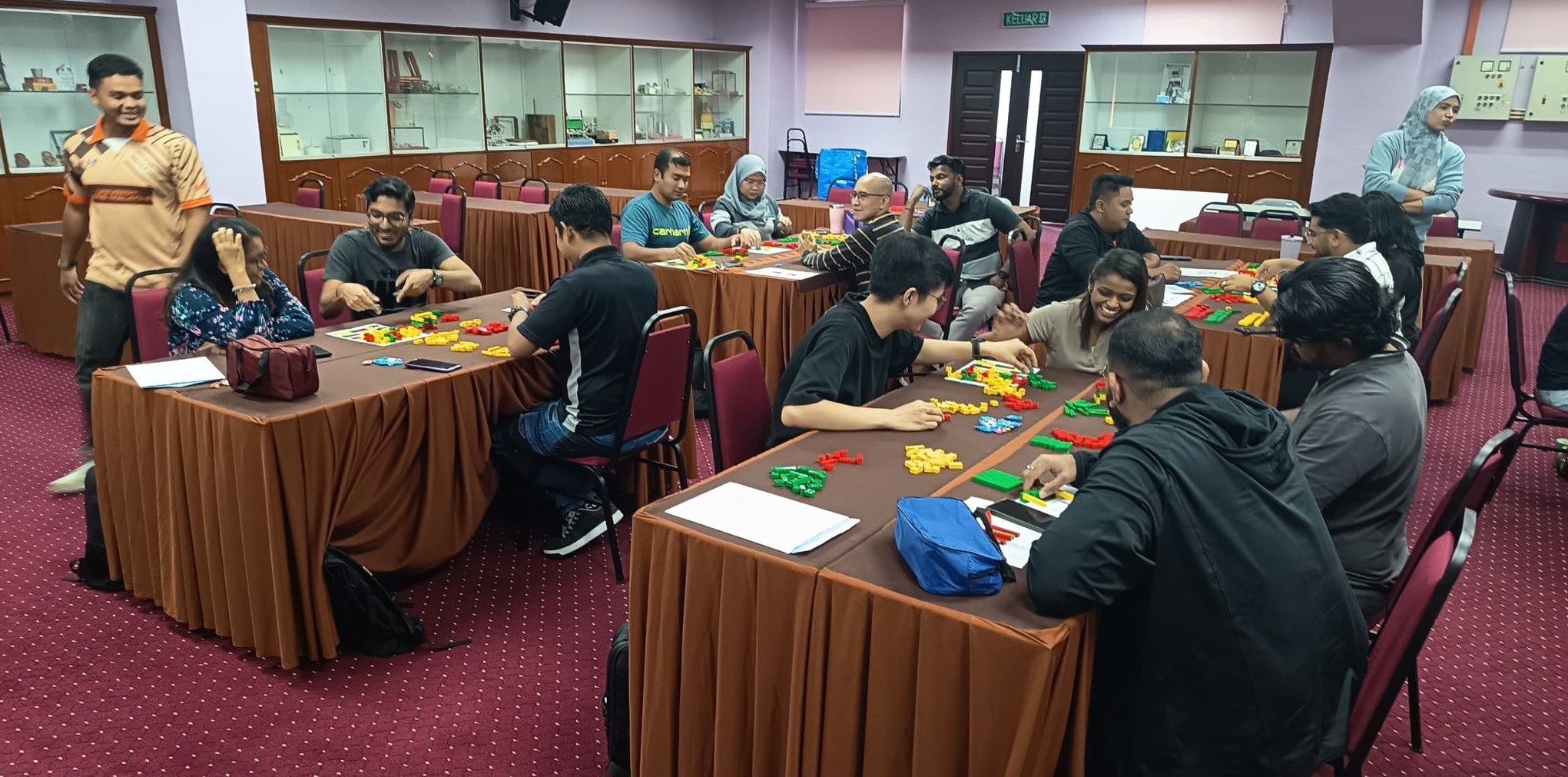
- Simulation-based learning
- Project-based activities
Practical improvement tools
Students engage with practical Lean tools and concepts that connect academic learning with industrial application.
- 5S
- TIMWOOD
- SMED
- Heijunka
- Workplace organization
Continuous improvement culture
Emphasis on leadership, employee engagement and a continuous improvement culture in organizational settings.
- Motivation
- Coaching
- Reflection
- Collaborative problem solving
Waste identification with TIMWOOD
Select a letter to see each type of waste.
Transport: Unnecessary movement of materials, parts or products between processes.
Academic and industry collaboration
- Academic staffAcademic guidance
- Alumni practitionersIndustry-informed perspectives
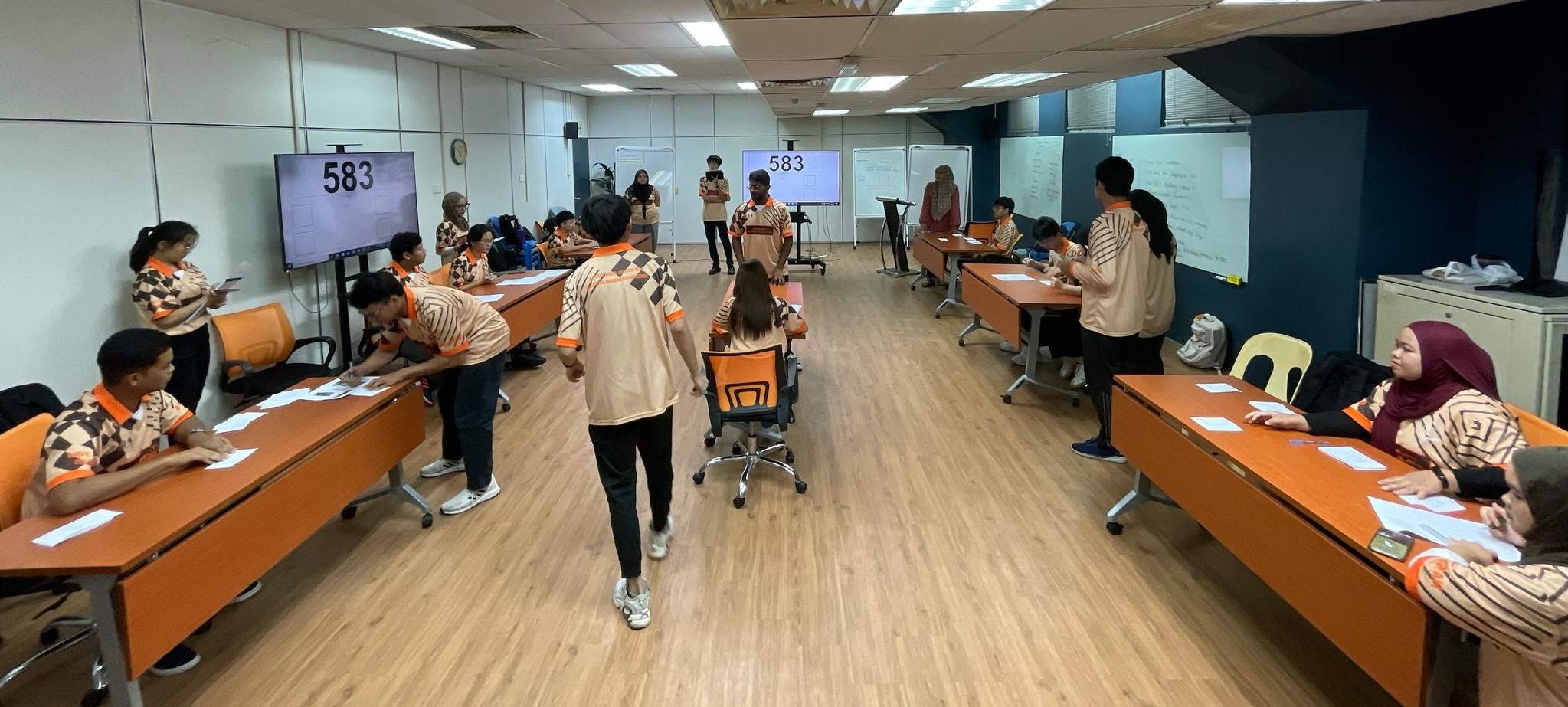
The active involvement of academic staff and alumni practitioners provides valuable academic guidance and industry-informed perspectives throughout the training process. This collaborative approach supports experiential learning and helps students build the knowledge, mindset and applied skills needed to undertake improvement projects effectively.
The initiative prepares graduates to support
Operational excellenceOrganizational improvementSustainable performanceFurther information
For more information and updates on this initiative, please visit our official page.
Refer to the official page for the latest programme updates, activities and announcements.